
The USDA’s Animal and Plant Health Inspection Service (APHIS) has reported three new equine premises in Colorado with presumptive positive cases of vesicular stomatitis (VSV). One is in La Plata County and two are in Montezuma County, all under quarantine.
Since the start of the current outbreak, a total of 45 VSV-affected premises (31 confirmed positive, 14 presumptive positive) have been identified in Arizona, Colorado, and New Mexico. All confirmed cases have been of the vesicular stomatitis New Jersey virus (VSNJV) serotype.
EDCC Health Watch is an Equine Network marketing program that utilizes information from the Equine Disease Communication Center (EDCC) to create and disseminate verified equine disease reports. The EDCC is an independent nonprofit organization that is supported by industry donations in order to provide open access to infectious disease information.
About Vesicular Stomatitis
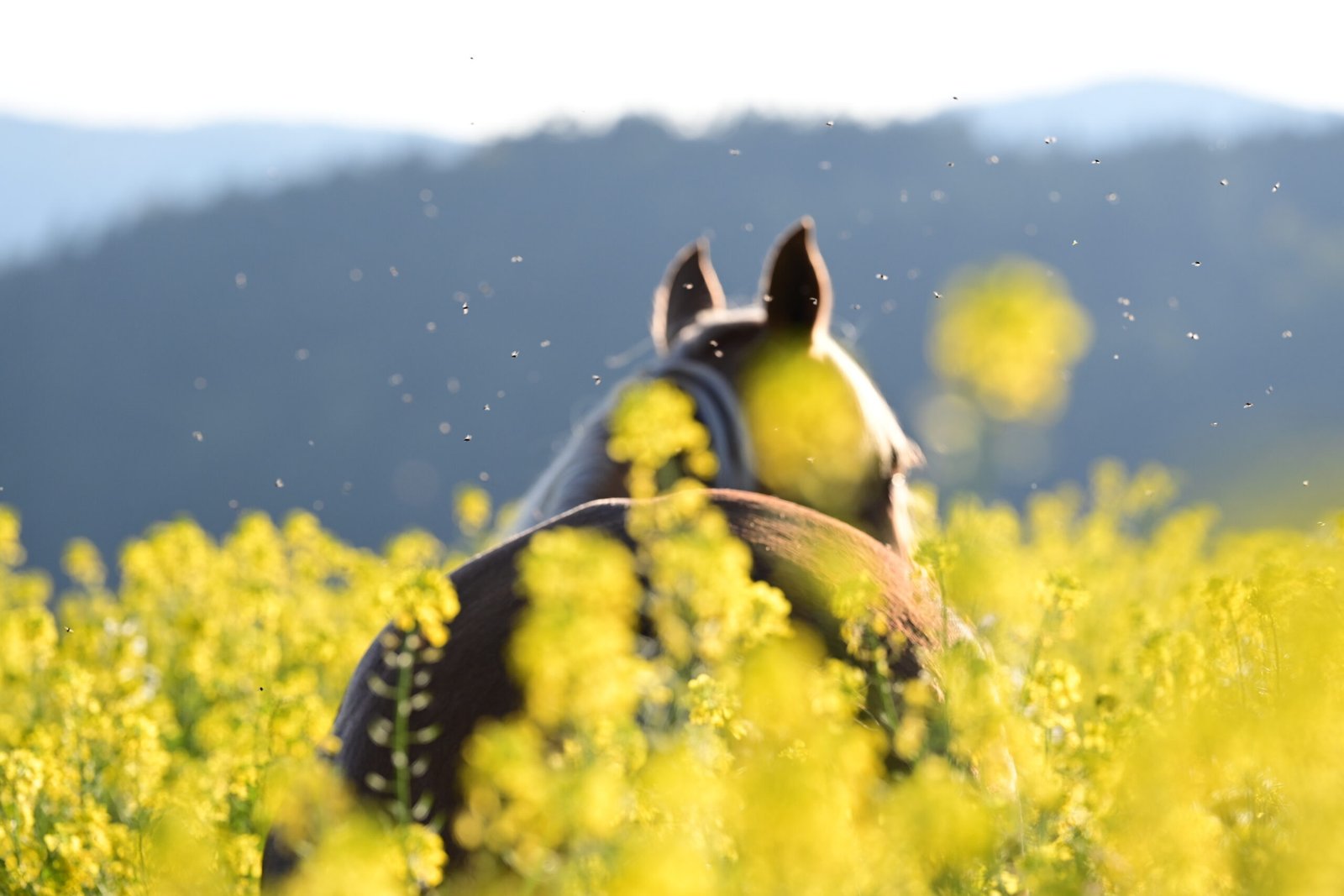
Vesicular stomatitis is a viral disease that affects horses, donkeys, mules, cattle, swine, and New World camelids in the Western Hemisphere. It is characterized by vesicular lesions that form blisters, crusts, and ulcers on various parts of the body such as the lips, muzzle, nose, tongue, ears, sheath, teats, and coronary band. The virus is transmitted by biting midges and is seasonal in nature.
Clinical signs of vesicular stomatitis may include:
- Formation of vesicles leading to ulcers on the lips, muzzle, nostrils, and tongue, with the tongue often being severely affected.
- Ulceration of the inner surface of the lips.
- Crusting of the muzzle, nostrils, and/or inside the ears.
- Excessive salivation due to oral lesions.
- Difficulty picking up and chewing feed.
- Lameness from painful erosions on the coronary band.
- Lesions on the udder, sheath, and inside of the ear.
- Possible secondary infections leading to slow-healing wounds.
- Animals on pastures are at higher risk of contracting vesicular stomatitis.
Diagnosis is typically based on the recognition of characteristic vesicular lesions, with confirmation through laboratory testing for serum antibodies and virus identification in fluid samples from active lesions. Veterinarians must report suspected cases to state/federal animal health officials for proper testing and diagnosis.
There is no specific treatment for vesicular stomatitis, but best practices include good biosecurity measures and providing affected horses with pain relief, anti-inflammatories, and supportive care as directed by a veterinarian.
Isolation of affected animals and immediate quarantine of the premises are necessary until all horses have fully recovered and no active lesions are present. The State Veterinarian will collaborate with local veterinarians to establish and enforce quarantine procedures as needed.