
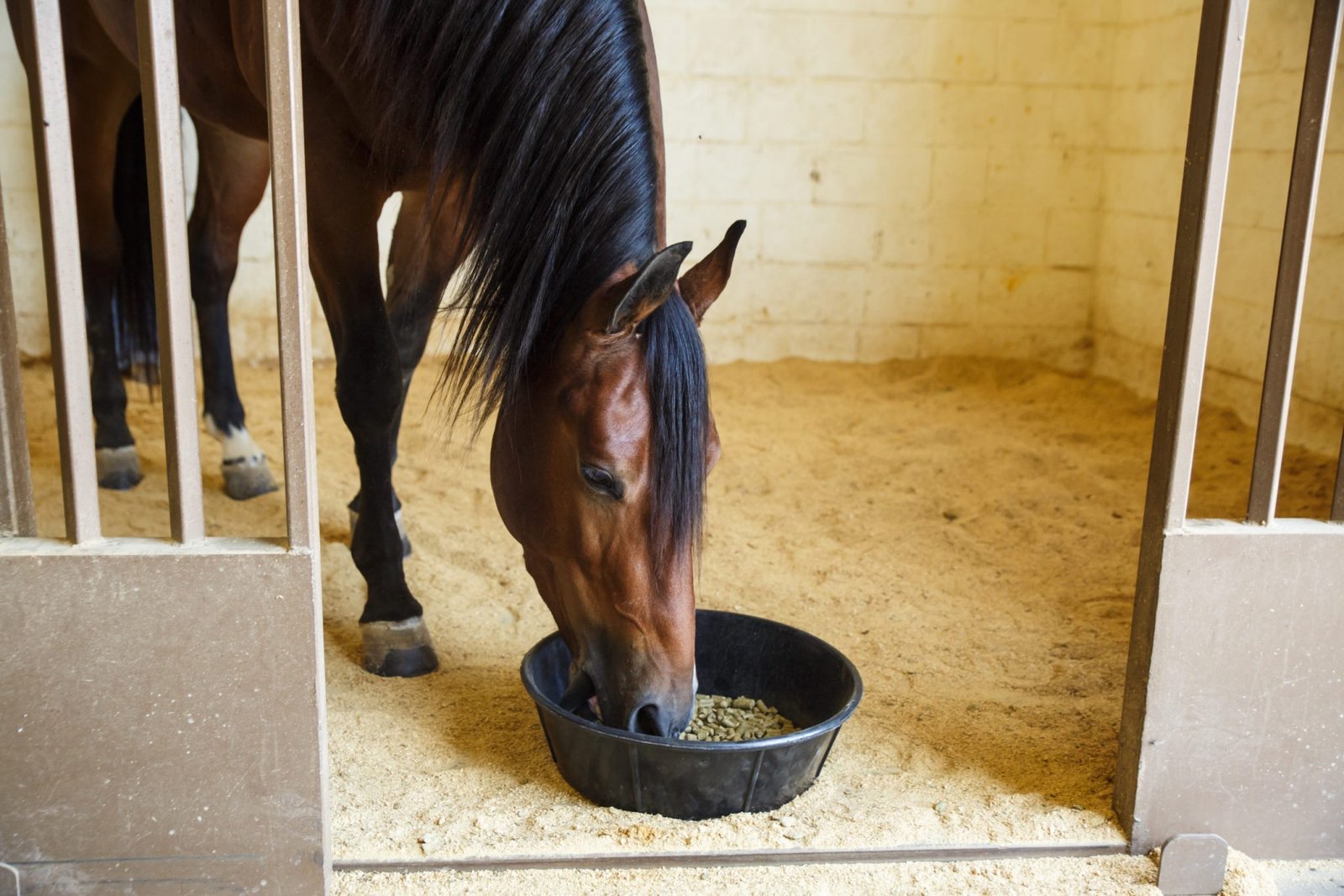
It’s important to remember that a well-fed horse doesn’t necessarily mean a balanced diet. While calories may be sufficient, essential nutrients like copper, zinc, vitamin E, and amino acids could be lacking. Sometimes, multiple supplements may overlap in providing nutrients without addressing the horse’s specific needs.
To address these issues, a stepwise review is crucial. This approach helps identify problems and enables Mad Barn’s equine nutritionists to create personalized recommendations based on the complete diet rather than individual feed bags or supplements.
Instead of focusing on which product to buy, start by assessing the horse’s specific requirements. Nutrient needs can vary based on factors such as body weight, condition, workload, age, growth, pregnancy, lactation, metabolism, and health status.
Gather the necessary information for a nutritionist:
- Current weight, body condition, and recent changes
- Workload and activity level
- Age, life stage, and any health or metabolic issues
- Details of forage, feed, and supplements consumed
- Specific goals for condition, hooves, muscle, digestion, or performance
A balanced ration should provide adequate energy and protein without excess, along with the right balance of vitamins and minerals to support normal absorption and utilization.
Forage should be the first consideration, as it forms the bulk of the diet and contributes essential nutrients like calories, protein, fiber, and minerals. The quality of hay and pasture can vary significantly, affecting energy, protein, sugar, starch, and mineral content.
Consider a forage analysis to assess the nutritional content of hay and pasture. Mad Barn’s nutritionists can interpret the results and recommend suitable feeds or supplements to complement the forage.
Ensure access to fresh water and salt, as they are crucial for digestion, hydration, and electrolyte balance. Electrolyte supplementation may be necessary for horses that sweat heavily.
When Your Horse Needs More Calories or Protein
While many mature horses at maintenance can meet their needs from forage, those in heavier work or specific life stages may require additional calories and protein. Consider higher-calorie forage, digestible fiber, fat, or fortified feed as appropriate additions to the diet.
When Weight Is Fine but the Diet Is Still Incomplete
Maintaining body condition does not guarantee sufficient intake of essential nutrients like vitamins, minerals, and amino acids. Forage-based diets may lack key nutrients, requiring supplementation with a concentrated source of vitamins and minerals.
Once the horse’s needs are identified, address any nutritional gaps with a complete vitamin and mineral supplement like Omneity®. This supplement provides essential nutrients without adding unnecessary calories, sugar, or starch.
Consider AminoTrace+ for higher levels of specific nutrients and support for horses with metabolic concerns or special dietary needs.
After addressing forage, water, energy, protein, vitamins, and minerals, target specific areas like joints, digestion, respiratory health, or muscle recovery with appropriate supplements. However, these supplements should complement a balanced foundation rather than replace it.
Regularly review the diet with changes in forage, workload, body condition, or life stage. Gradually introduce feeding changes and monitor the horse’s overall health and performance.
Seek veterinary advice for any sudden changes in appetite, condition, or performance, as underlying medical conditions could be a factor.
Submit your feeding program for evaluation through Mad Barn’s free diet evaluation service for personalized recommendations to support your horse’s nutritional needs.