Close Menu
  • DIY Projects
  • Home Decor
  • Beauty Products
  • Pets Training
  • Interior Design
  • Pets
  • Pet Care Tips
What's Hot

15 Adorable Pets in Weddings On Instagram You Can't Miss – Daily Paws

May 26, 2026

27 Pet Stories That Prove Our Animals Are As Smart As They Are Freakin' Hilarious – BuzzFeed

May 25, 2026

Pedro Pascal Did The Puppy Interview — You’re Welcome – BuzzFeed

May 25, 2026
Facebook X (Twitter) Instagram
  • Contact
  • Privacy policy
  • Terms & Conditions
Facebook X (Twitter) Instagram Pinterest VKontakte
  • DIY Projects
  • Home Decor
  • Beauty Products
  • Pets Training
  • Interior Design
  • Pets
  • Pet Care Tips
Home»Pet Care Tips»Decoding the Diseases Examined by AQHA’s Six-Panel Test
Pet Care Tips

Decoding the Diseases Examined by AQHA’s Six-Panel Test

October 9, 2024No Comments2 Mins Read
Facebook Twitter Pinterest LinkedIn Tumblr Email
Share
Facebook Twitter LinkedIn Pinterest Email

The six-panel test is a tool used to evaluate the genetic predispositions of horses, aiming to identify if a horse carries certain hereditary diseases and traits.

Although primarily conducted for American Quarter Horses, some genetic diseases detected by the six-panel test are found in other breeds. For AQHA breeding stock, the test results are necessary for a horse’s record and registration certificate.
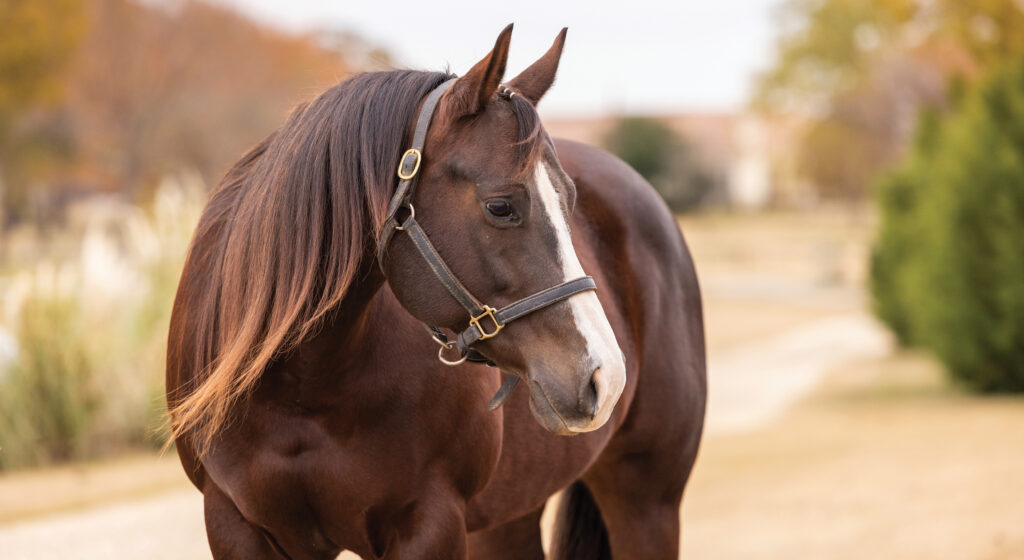

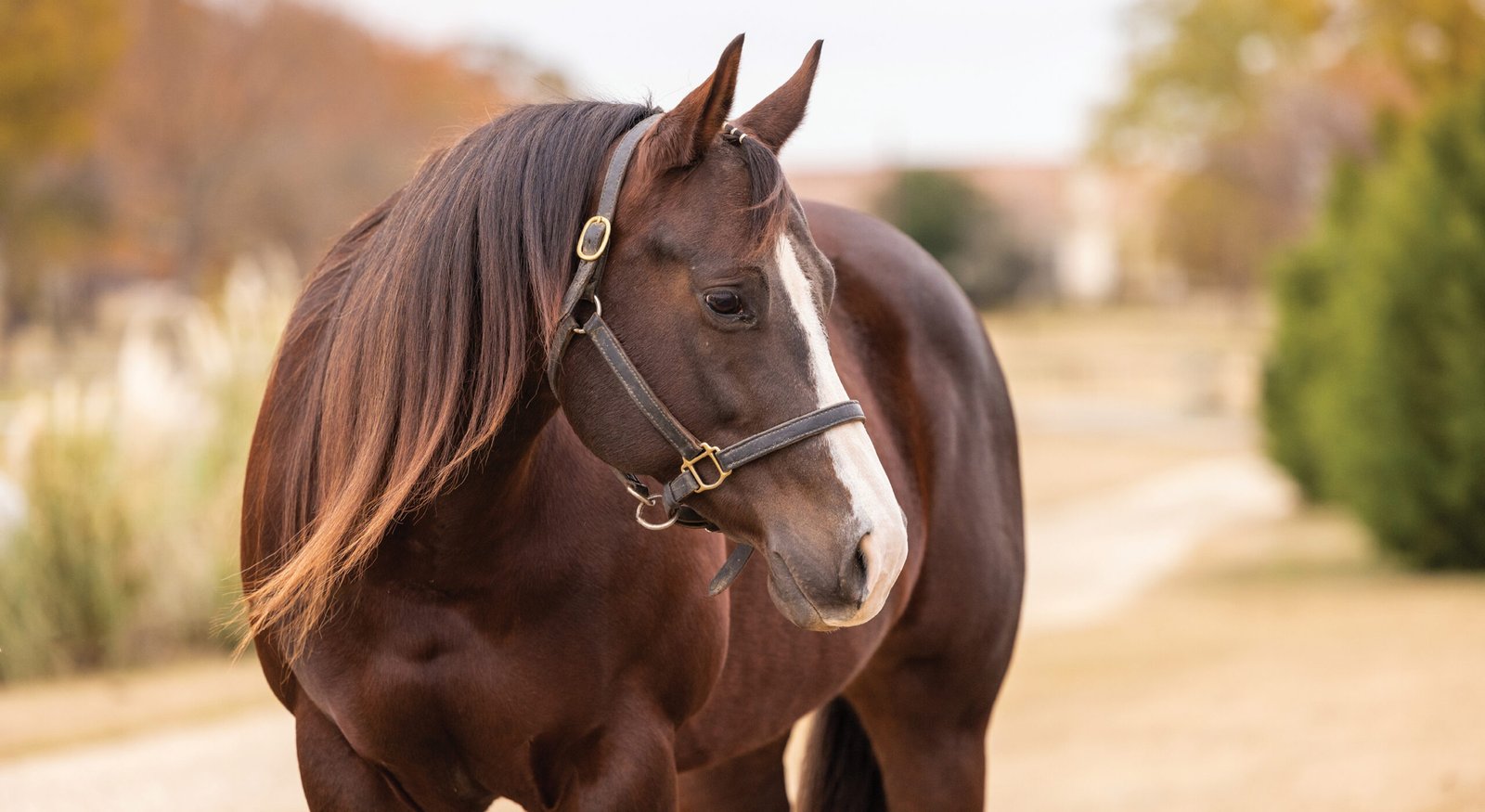
While it may seem unimportant for owners who aren’t breeding their horses, testing is still beneficial for horsekeeping practices. Photo by Terry Cage/stock.adobe.com

Glycogen Branching Enzyme Deficiency Disorder (GBED)

What is it? GBED is caused by a mutation in the GBE gene, affecting the glycogen branching enzyme. This leads to an inability to store or mobilize glycogen in certain organs, resulting in muscle weakness and potentially death.

For a horse to be affected, it must inherit two copies of the mutated gene, one from each parent.

Is it manageable? Unfortunately, horses born with GBED will not survive, making it crucial to consider not breeding carrier horses.

Hereditary Equine Regional Dermal Asthenia Disorder (HERDA)

What is it? HERDA is caused by a mutation in the PPIB gene, leading to skin fragility and scarring due to collagen malformation.

Similar to GBED, a horse must inherit two copies of the mutated gene to be affected.

Is it manageable? While there is no cure, HERDA can be managed with care.

following sentence:

The cat was sleeping peacefully on the windowsill.

The peaceful cat was sleeping on the windowsill.

AQHAs Decoding Diseases Examined SixPanel Test
Share. Facebook Twitter Pinterest LinkedIn Tumblr Email

Related Posts

Wisconsin Yearling Tests Positive for Equine Influenza

May 22, 2026

Belgian Gelding Tests Positive for Strangles in Wisconsin

May 22, 2026

1 Confirmed, 2 Suspected Strangles Cases in Oregon

May 21, 2026

Kenny Platt and LBR Hangem Break Breeder’s Invitational Classic Challenge Tie to Claim Open Title

May 21, 2026
Add A Comment
Leave A Reply Cancel Reply

Editors Picks

15 Adorable Pets in Weddings On Instagram You Can't Miss – Daily Paws

May 26, 2026

27 Pet Stories That Prove Our Animals Are As Smart As They Are Freakin' Hilarious – BuzzFeed

May 25, 2026

Pedro Pascal Did The Puppy Interview — You’re Welcome – BuzzFeed

May 25, 2026

Why the 2026 Puppy Bowl Might Be the Most Heartwarming Yet – A-Z Animals

May 24, 2026
Top Post

The Link Up: Em’s New Favorite Affordable Faux Christmas Tree, Mal’s Affordbale Tall Boots, And A Great Book

Strangles Case Confirmed at Private Washington Facility

So, here we have 11 very cute pictures of musicians and their adored pets – Classical-Music.com

Facebook X (Twitter) Instagram Pinterest Vimeo YouTube
  • Contact
  • Privacy policy
  • Terms & Conditions
© 2026 Doorpicker.com - All rights reserved.

Type above and press Enter to search. Press Esc to cancel.