Close Menu
  • DIY Projects
  • Home Decor
  • Beauty Products
  • Pets Training
  • Interior Design
  • Pets
  • Pet Care Tips
What's Hot

10 Times Raccoons Stole Hearts Online With Their Unexpectedly Sweet Antics – Bored Panda

October 23, 2026

Crue Dowers Wins Snaffle Bit Futurity Non-Pro

October 23, 2026

MERIT New Wave Review: A Warm Fall Fragrance

October 23, 2026
Facebook X (Twitter) Instagram
  • Contact
  • Privacy policy
  • Terms & Conditions
Facebook X (Twitter) Instagram Pinterest VKontakte
DoorPickerDoorPicker
  • DIY Projects
  • Home Decor
  • Beauty Products
  • Pets Training
  • Interior Design
  • Pets
  • Pet Care Tips
DoorPickerDoorPicker
Home»Pets Training»Wisconsin Horse Tests Positive for Strangles
Pets Training

Wisconsin Horse Tests Positive for Strangles

August 9, 2026No Comments2 Mins Read
Facebook Twitter Pinterest LinkedIn Tumblr Email
Share
Facebook Twitter LinkedIn Pinterest Email

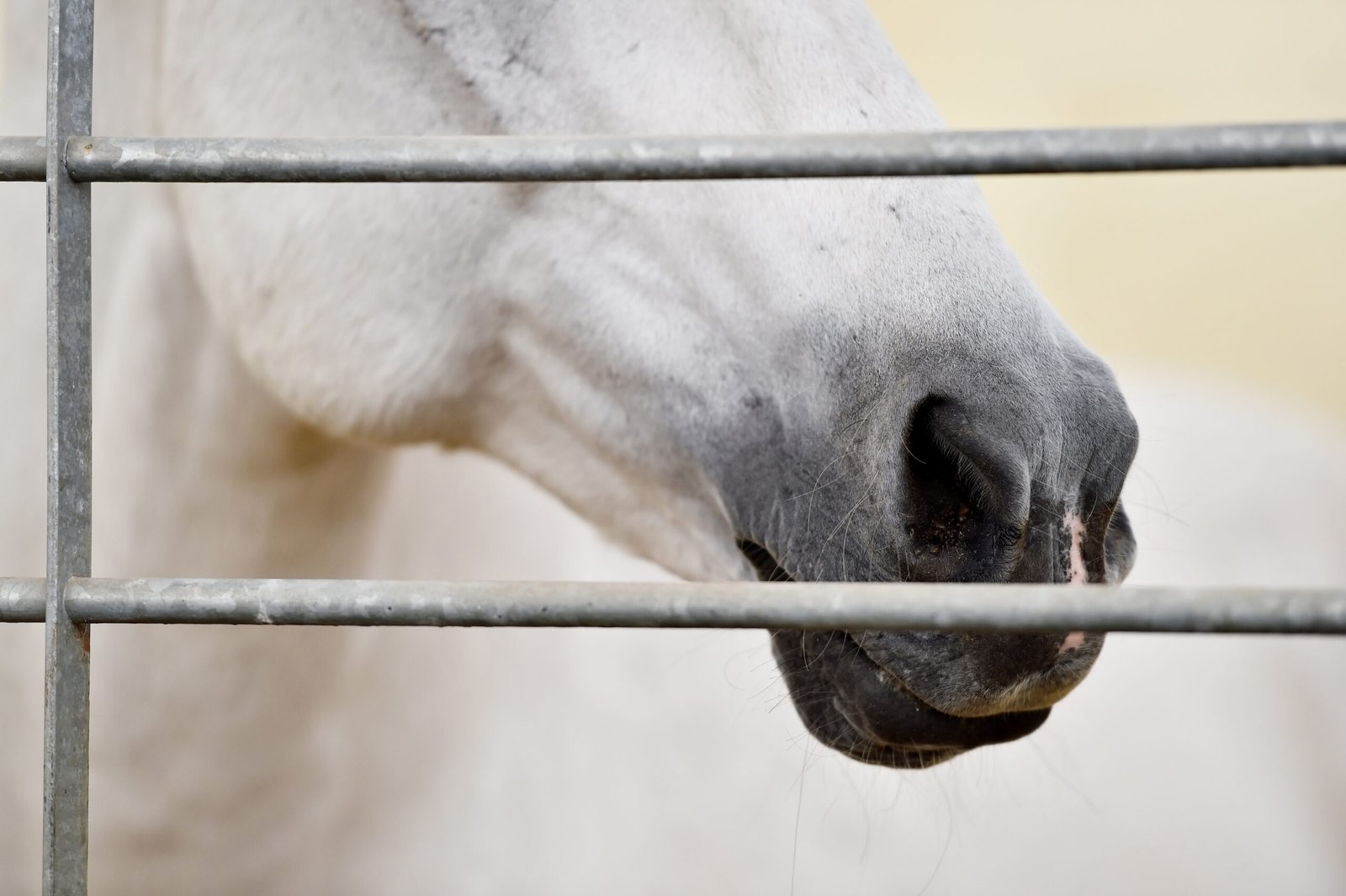
The attending veterinarian in Dane County, Wisconsin, has confirmed that one horse has tested positive for strangles and is currently under quarantine.

EDCC Health Watch is a marketing program by Equine Network that uses information from the Equine Disease Communication Center (EDCC) to produce and distribute verified equine disease reports. The EDCC is a nonprofit organization supported by industry donations to offer open access to infectious disease information.

About Strangles

Strangles in horses is caused by Streptococcus equi subspecies equi and is spread through direct contact with other equids or contaminated surfaces. Horses without clinical signs can carry and transmit the bacteria, and recovered horses can remain contagious for up to six weeks, potentially leading to long-term outbreaks.

Symptoms of strangles in infected horses may include:

  • Fever
  • Swollen and/or abscessed lymph nodes
  • Nasal discharge
  • Coughing or wheezing
  • Muscle swelling
  • Difficulty swallowing

Diagnosis of strangles in horses is typically done through polymerase chain reaction (PCR) testing using a nasal swab, wash, or abscess sample. Treatment is usually based on clinical signs, with antibiotics prescribed for severe cases. Overuse of antibiotics can hinder the development of immunity in infected horses. Most horses recover fully within three to four weeks.

While a vaccine is available, its effectiveness can vary. Implementing biosecurity measures such as quarantining new horses and maintaining high levels of hygiene and surface disinfection can help reduce the risk of an outbreak or contain one if it occurs.

Horse Positive Strangles Tests Wisconsin
Share. Facebook Twitter Pinterest LinkedIn Tumblr Email

Related Posts

Washington Horse Tests Positive for Equine Influenza

October 23, 2026

Stop Cues: Master a Soft, Reliable Whoa

October 22, 2026

10 Horse Blanketing Mistakes to Avoid

October 21, 2026

The Athletes, Coaches, and Charities in the Mix at Big Guns in Cowtown

October 21, 2026
Add A Comment
Leave A Reply Cancel Reply

Editors Picks

10 Times Raccoons Stole Hearts Online With Their Unexpectedly Sweet Antics – Bored Panda

October 23, 2026

Crue Dowers Wins Snaffle Bit Futurity Non-Pro

October 23, 2026

MERIT New Wave Review: A Warm Fall Fragrance

October 23, 2026

Washington Horse Tests Positive for Equine Influenza

October 23, 2026
Top Post

11 Tear-Jerking Stories of Rescue Dogs That Found the Homes They Deserve – Reader's Digest

10 Non-Negotiables for Horse Management

Pet Care Tips For A Clean And Happy Home

DoorPicker
Facebook X (Twitter) Instagram Pinterest Vimeo YouTube
  • Contact
  • Privacy policy
  • Terms & Conditions
© 2026 Doorpicker.com - All rights reserved.

Type above and press Enter to search. Press Esc to cancel.