
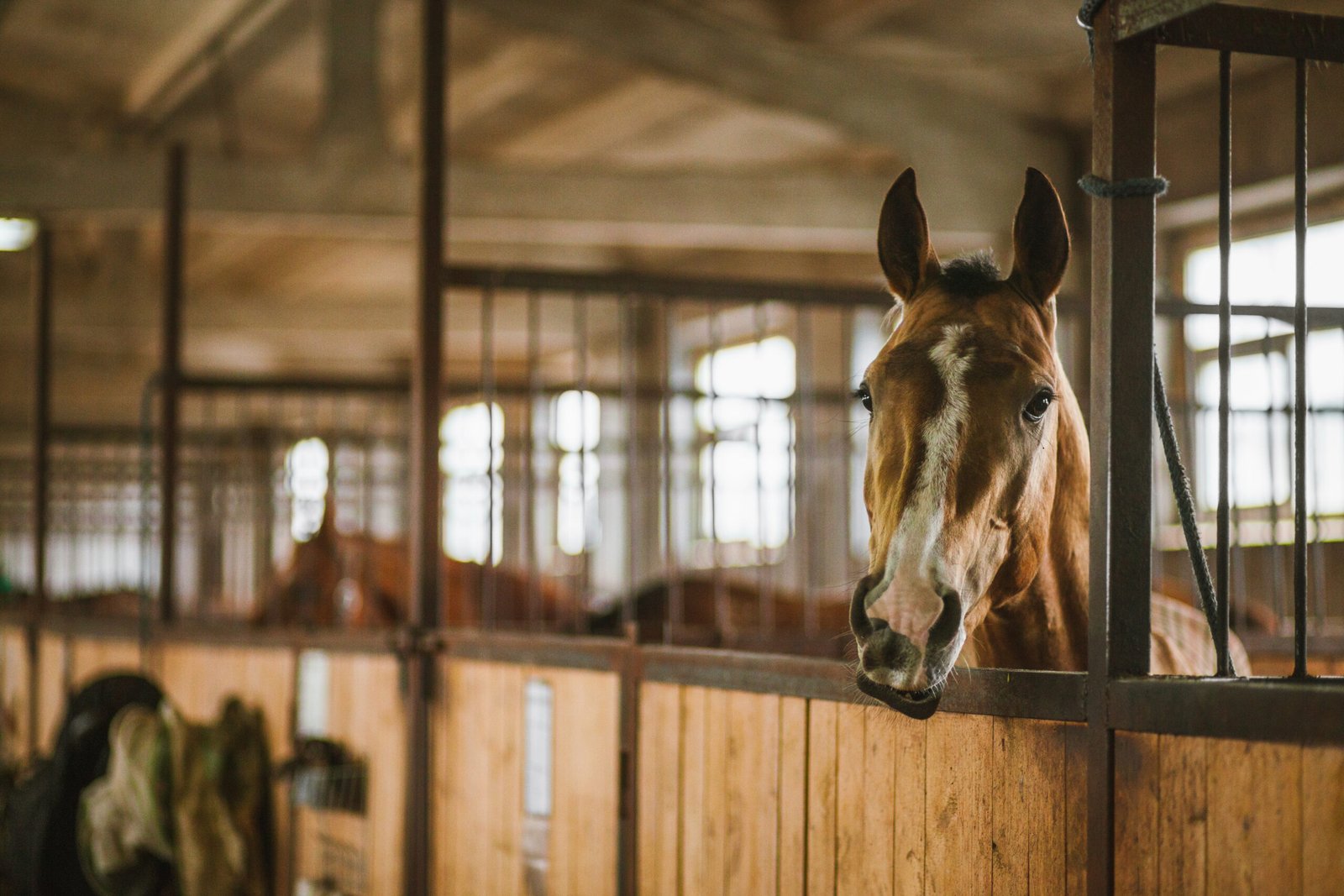
A horse in Tay Valley Township, Ontario, tested positive for equine infectious anemia (EIA) on Sept. 29. The horse was tested as a pre-event requirement at the owner’s request and was not showing any signs of disease at the time of sampling.
The horse and other animals on the premises have been placed under official quarantine. Initial reports suggest that there are other equines on the affected property.
EDCC Health Watch is a marketing program of the Equine Network that utilizes information from the Equine Disease Communication Center (EDCC) to create and distribute verified equine disease reports. The EDCC is a nonprofit organization supported by industry donations, providing open access to infectious disease information.
About EIA
Equine infectious anemia is a viral disease that targets horses’ immune systems. The virus is transmitted through the exchange of body fluids from an infected to an uninfected animal, often by blood-feeding insects like horseflies. It can also be spread through the use of blood-contaminated instruments or needles.
A Coggins test checks horses’ blood for antibodies that indicate the presence of the EIA virus. Most U.S. states require horses to have a negative Coggins test to travel across state lines.
Once a horse is infected with EIA, it remains infected for life and can spread the disease. While not all horses show symptoms, those that do may experience:
- Progressive weight loss;
- Muscle weakness;
- Decreased stamina;
- Fever;
- Depression; and
- Anemia.
There is no vaccine or cure for EIA. An infected horse must either be euthanized, die, or be kept under strict quarantine conditions (at least 200 yards away from other horses) for life.
unique version of the provided article by maintaining the original HTML tags, images, HTML header, and key points. The rewritten content should be unique and suitable for integration into a WordPress platform.