Close Menu
  • DIY Projects
  • Home Decor
  • Beauty Products
  • Pets Training
  • Interior Design
  • Pets
  • Pet Care Tips
What's Hot

The Ride Podcast Ep. 143: Rick Brown on Faith, Perseverance and Finding His Way Back to the Saddle

October 20, 2026

6 feel-good stories to start your Monday: Minnesota’s longest bike path, $250M for pet care & more – AOL.com

October 19, 2026

The Pedigrees That Made the 2026 NRCHA Snaffle Bit Futurity Open Finalists

October 19, 2026
Facebook X (Twitter) Instagram
  • Contact
  • Privacy policy
  • Terms & Conditions
Facebook X (Twitter) Instagram Pinterest VKontakte
  • DIY Projects
  • Home Decor
  • Beauty Products
  • Pets Training
  • Interior Design
  • Pets
  • Pet Care Tips
Home»Pets Training»Washington Horse Contracts West Nile Virus
Pets Training

Washington Horse Contracts West Nile Virus

August 20, 2026No Comments2 Mins Read
Facebook Twitter Pinterest LinkedIn Tumblr Email
Share
Facebook Twitter LinkedIn Pinterest Email

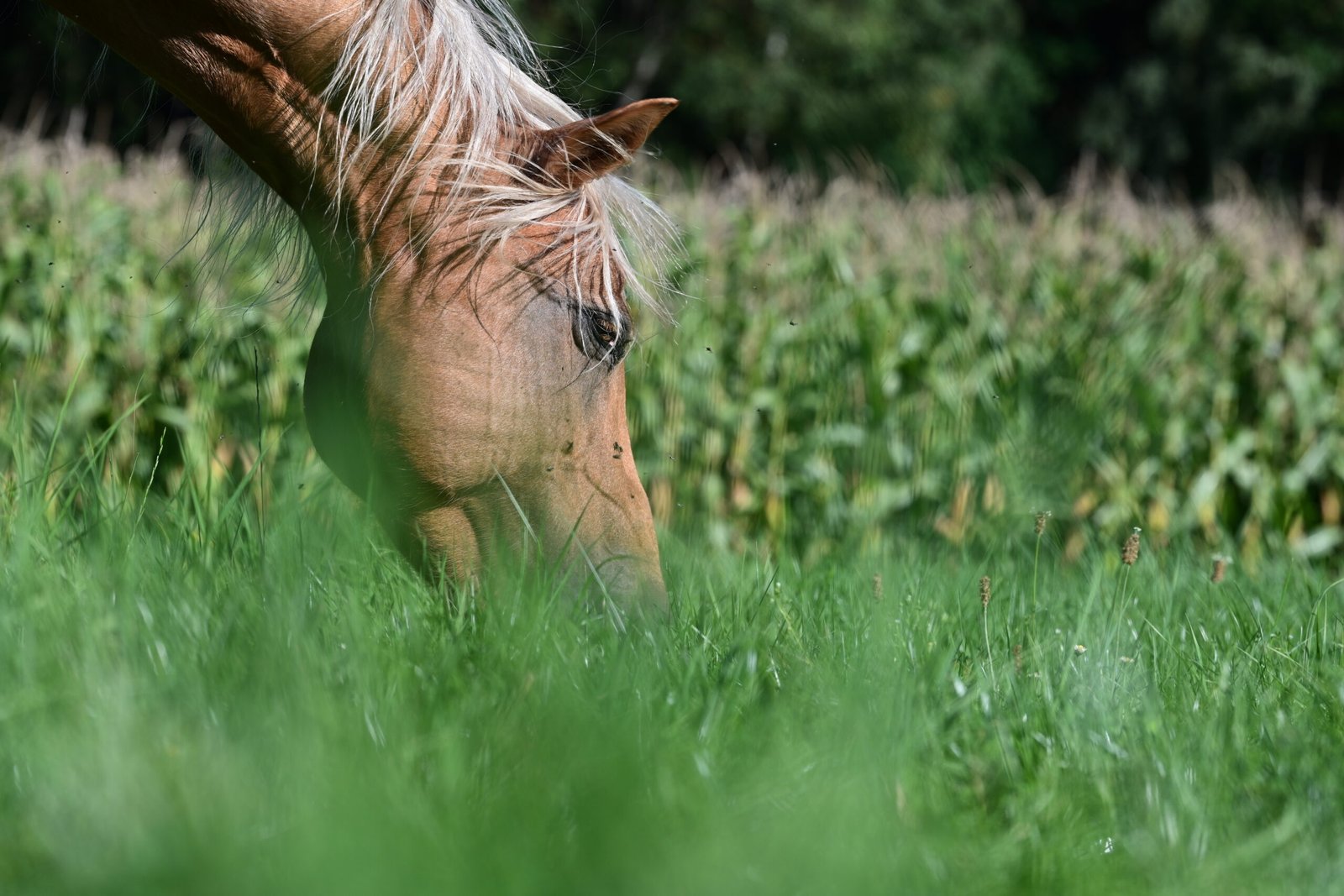
A 2-year-old horse in Benton County, Washington, has been confirmed to have West Nile virus (WNV), as reported by the assistant state veterinarian. The horse was not vaccinated against the virus.

EDCC Health Watch is a marketing program of Equine Network that uses information from the Equine Disease Communication Center (EDCC) to generate and share verified equine disease updates. The EDCC is an independent nonprofit organization funded by industry donations to provide accessible infectious disease information.

WNV 101

West Nile virus is transmitted to horses through bites from infected mosquitoes. While not all infected horses display symptoms, those that do may show:

  • Flulike signs, such as mild anorexia and depression;
  • Muscle and skin twitching;
  • Hypersensitivity to touch and sound;
  • Changes in mental activity;
  • Occasional drowsiness;
  • Propulsive walking;
  • Spinal weakness; and
  • Ataxia.

There is no cure for West Nile virus in horses. However, some may recover with supportive care, although mortality rates can be high. Vaccination has been shown to be an effective prevention method against WNV. Horses previously vaccinated need an annual booster, while unvaccinated horses require a two-shot series.

Apart from vaccination, owners can reduce the risk of WNV by eliminating mosquito breeding grounds, keeping horses indoors during peak feeding times, and using approved mosquito repellents.

Contracts Horse Nile Virus Washington West
Share. Facebook Twitter Pinterest LinkedIn Tumblr Email

Related Posts

The Ride Podcast Ep. 143: Rick Brown on Faith, Perseverance and Finding His Way Back to the Saddle

October 20, 2026

Open NRCHA Snaffle Bit Futurity Finalists Determined

October 19, 2026

4 New Equine Pigeon Fever Cases Confirmed in Oregon

October 18, 2026

California Confirms 17th Equine WNV Case of 2026

October 17, 2026
Add A Comment
Leave A Reply Cancel Reply

Editors Picks

The Ride Podcast Ep. 143: Rick Brown on Faith, Perseverance and Finding His Way Back to the Saddle

October 20, 2026

6 feel-good stories to start your Monday: Minnesota’s longest bike path, $250M for pet care & more – AOL.com

October 19, 2026

The Pedigrees That Made the 2026 NRCHA Snaffle Bit Futurity Open Finalists

October 19, 2026

What’s Next For Ceilings??? We Have A Feeling We Know What It Is

October 19, 2026
Top Post

How to Build Riding Confidence for Show Day

Alberta Mare Has Equine Herpesvirus Abortion

Does Pet Insurance Cover Dog Training?

Facebook X (Twitter) Instagram Pinterest Vimeo YouTube
  • Contact
  • Privacy policy
  • Terms & Conditions
© 2026 Doorpicker.com - All rights reserved.

Type above and press Enter to search. Press Esc to cancel.